8 Minute Timer
2 Minute Timer
Personal Details:
Name: Tom
Age: 20
Medical Record:
Past medical history: Fit and well.
Notes:
A 20-year-old man complains of an itchy rash between his toes, which is worse at night. He is a keen runner.
Task:
1. Take a focused history.
2. Discuss the likely diagnosis and management plan.
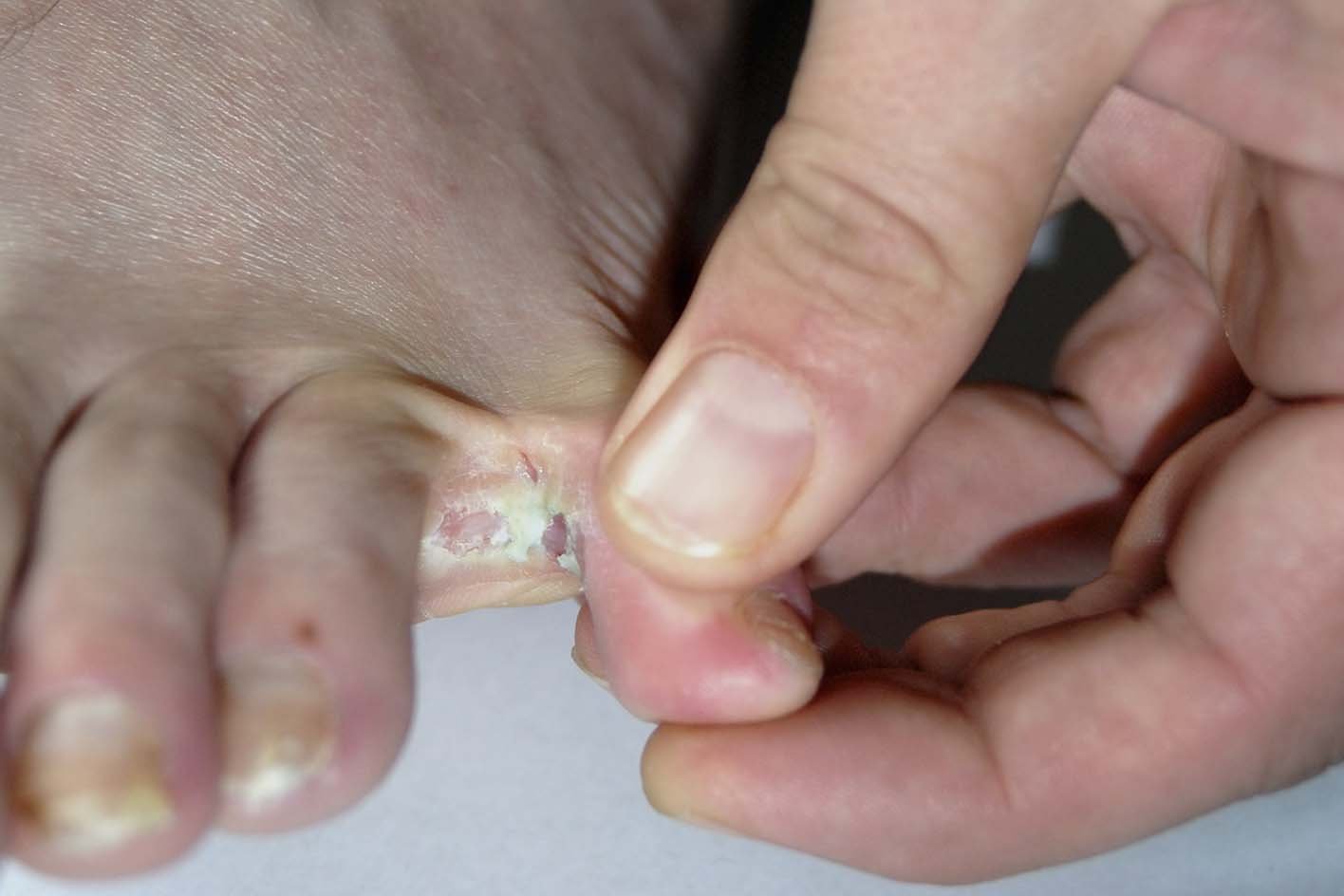
Opening Sentence: “Hi, Doctor, I’ve got this really annoying rash between my toes. It’s so itchy, especially at night.”
Open History (to give freely): “It’s been there for a couple of weeks. It’s mainly between my little toes. The skin is a bit flaky and red. I run a lot, so my feet are often sweaty in my trainers.”
Cues to give: “I’ve tried a bit of moisturiser, but it hasn’t helped.”
ICE (Ideas, Concerns, Expectations):
Ideas: “I don’t know, maybe it’s just dry skin or eczema?”
Concerns: “Is it contagious? Is it serious?”
Expectation: “I’d like a cream to make it go away.”
How to Act: You are a straightforward young man who just wants a solution to an annoying problem.
More History (only if asked): The rash is not present anywhere else on your body. You are otherwise well.
Social History: University student, keen runner.
Questions to ask:
“Athlete’s foot? How did I get that?”
“What can I do to stop it from coming back?”
History of Presenting Complaint:
You have an itchy rash between your toes. How long has it been there?
Which toes are affected? Is it on one foot or both?
Can you describe the rash for me? You said it was scaly?
Is it painful, or just itchy?
Past History & Treatments:
Have you had this before?
Have you tried any creams from the pharmacy?
ICE (Ideas, Concerns, Expectations):
What do you know about that?
What was your main concern about it?
What were you hoping I could do for you today?
Explain the diagnosis:
Hi Tom, thanks for coming in. That sounds very irritating.
(After examining the foot)
I’ve had a look, and what you have is a very common fungal infection of the skin called tinea pedis, which is much better known as Athlete’s Foot. The name is very appropriate as it’s common among people who do a lot of sports.
Addressing and answering the patient’s ICE:
You asked how you got it. The fungus that causes it loves warm, damp environments. So, sweaty feet in trainers provide the perfect breeding ground. You can pick it up from communal areas like changing rooms and showers. It’s not serious, but it is contagious, so you can pass it on to other people or spread it to other parts of your own body, like your groin.
Next Steps:
The treatment is very straightforward. I’ll prescribe you an antifungal cream (miconazole or terbinafine cream). You need to apply it to the affected skin between your toes twice a day. It’s important to continue using the cream for at least a week after the rash has disappeared to make sure you have completely killed off the fungus.
Self-help measures if relevant:
You asked how to stop it from coming back, and this is the most important part. You need to pay close attention to foot hygiene. Wash your feet daily and, crucially, dry them very carefully, especially between the toes. Wear cotton socks, which absorb sweat better than synthetic ones, and change them every day.
So, the plan is the antifungal cream for a few weeks and a real focus on keeping your feet cool and dry. If the rash doesn’t clear up with the cream, or if it spreads, then come back and see us, as occasionally people need antifungal tablets for a persistent infection.
Provide a clear diagnosis of tinea pedis (Athlete’s Foot). Explain how it is acquired. Reassure him it is not serious but is contagious.
The management is two-fold: 1. Prescribe a topical antifungal cream and give clear instructions on how to use it. 2. Provide detailed self-care and hygiene advice to prevent recurrence. This is the key part of the consultation.
What is scenario testing? This is a very common GP case. It tests the candidate’s ability to diagnose a simple dermatological condition and, most importantly, to provide effective health promotion and self-care advice. The communication should be clear, practical, and structured.