8 Minute Timer
2 Minute Timer
You are an FY2 in GP
Personal Details:
Name: Maria Ahmed
Age: 28
Medical Record:
Past medical history: None.
Regular medication: None.
Allergies: None known.
Notes:
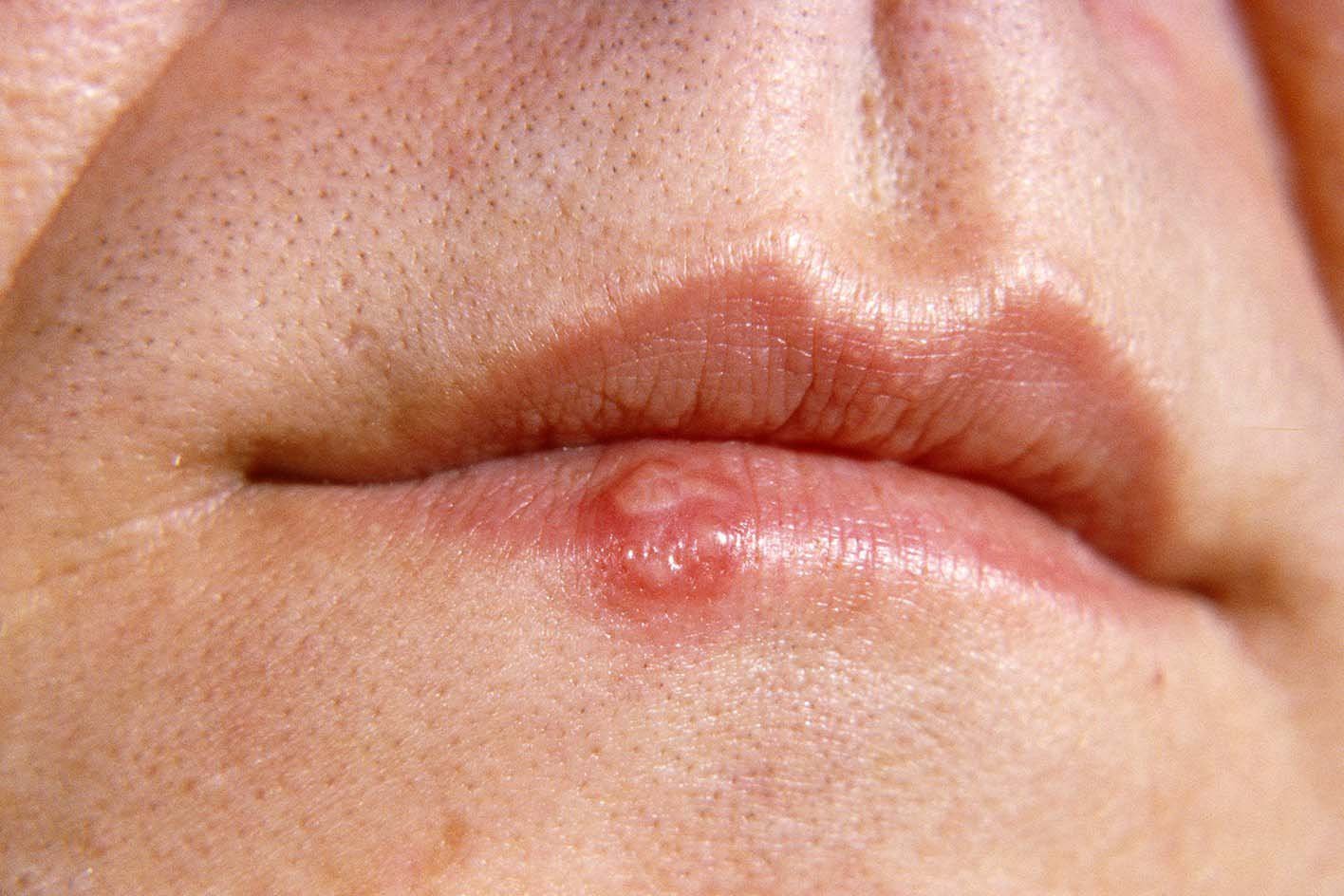
Maria presents with a persistent rash on her lower lip for the past two weeks. She has a 7-month-old baby at home.
Task:
1. Take a focused history.
2. Diagnose the condition and address her concerns.
3. Provide management and self-care advice.
Opening Sentence: “Hi, Doctor, I’ve got this rash on my lip that just won’t go away.”
Open History (to give freely): “It started about two weeks ago as a couple of little blisters. I got some cream from the pharmacy, but it hasn’t really helped. It’s not painful, just annoying.”
Cues to give: “I’m just worried about my baby.”
ICE (Ideas, Concerns, Expectations):
Ideas: “I have no idea what it is. I thought it was just a spot at first.”
Concerns: “Will my baby get it? Is it contagious?”
Expectation: “I want some strong cream to make it go away quickly.”
How to Act: You are a worried new mother. Your main focus is on your baby.
More History (only if asked): It’s a single patch of small, now slightly crusty, blisters on your lower lip. There’s no pain, discharge, or bleeding. You haven’t had this before. You don’t have any other lesions anywhere else on your body. You feel generally well, with no fever. You have been married for 3 years and are in a monogamous relationship with your husband. He does not have any similar lesions.
Social History: You are on maternity leave. You live with your husband and your 7-month-old baby.
Questions to ask:
“Are you sure it’s not something serious?”
“How can I stop my baby from getting it?”
Opening & Establishing Rapport: “
I understand you’ve come in about a rash on your lip. Let’s talk about that and see what we can do to help.
History of Presenting Complaint: Can you tell me about the rash? When did you first notice it? What did it look like when it started? Has it changed? Is it painful or itchy? Do you get any tingling or burning sensation before it appears? Have you ever had anything like this before?
Transition to Sexual History (Signposting): To understand what might be causing this, I need to ask some more questions about your relationships and sexual health. Is that okay?
Sexual History: Are you in a relationship at the moment? Have you had any new sexual partners recently? What kind of sexual contact do you have? This includes oral, vaginal, and anal sex. Do you and your partner use condoms? Has your partner ever had any similar sores or blisters, either on their mouth or genitals?
Risk Assessment (Baby): You mentioned you have a new baby, congratulations! How old is she? Are you the main person looking after her? Are you breastfeeding? It’s really important that we prevent any risk of passing this on to the baby. Are you washing your hands regularly, especially before you touch her? Are you avoiding kissing her while you have the sore?
ICE (Ideas, Concerns, Expectations):
What were your own thoughts about what this could be?
What is your biggest worry about this?
What were you hoping we could do for you today?
Explain the situation, the likely diagnosis:
Thank you for showing me, Maria. From what you’ve described and how it looks, this is very typical of a cold sore. It’s a very common condition caused by a virus called herpes simplex. Many people carry the virus without ever knowing it, and it can sometimes appear when you’re a bit run-down or stressed, which is very common with a new baby at home!
Addressing and answering the patient’s ICE:
Your main worry is about your baby, and that’s completely understandable. The virus is contagious through direct contact, so yes, it is possible for your baby to get it. However, the good news is that there are simple and very effective things we can do to prevent that from happening.
Next Steps:
Cold sores usually clear up by themselves within about 10 days, so you don’t necessarily need strong medication. The over-the-counter creams can sometimes help with symptoms. The most important part of management is preventing transmission, especially to your little one.”
Self-help measures if relevant:
The key things are to avoid kissing your baby, especially near his face or hands, until the sore has completely healed. It’s also really important not to share anything that has touched your mouth, like cutlery, glasses, or towels. Washing your hands frequently with soap and water, especially after touching the sore, is also crucial.
You should also avoid oral sex until the sore has completely gone, as the virus can be transmitted to your partner’s genitals. For your own comfort, you can eat cool, soft foods and use an antiseptic mouthwash if it feels sore inside your mouth.
Addressing ideas, concerns, and expectations: Directly address her concern about the baby. Reassure her about the benign nature of the condition while managing her expectation for a “quick fix” prescription.
Reassure and provide detailed, practical advice on preventing transmission. Advise on over-the-counter remedies.
What is scenario testing? This case tests the candidate’s ability to take a sensitive sexual history, diagnose a common condition, and provide crucial public health and safety netting advice, particularly concerning a vulnerable contact (a baby). The focus is less on diagnosis and more on management and communication. Key skills are communication, health promotion, and patient safety.