8 Minute Timer
2 Minute Timer
You are an FY2 in GP
Personal Details:
Name: Leo Smith (patient), Mr Smith (father)
Age: 6 months old
Medical Record:
Past medical history: None. Born at term, normal development. Up to date with all immunisations.
Regular medication: None.
Allergies: None known.
Notes:
Telephone consultation.
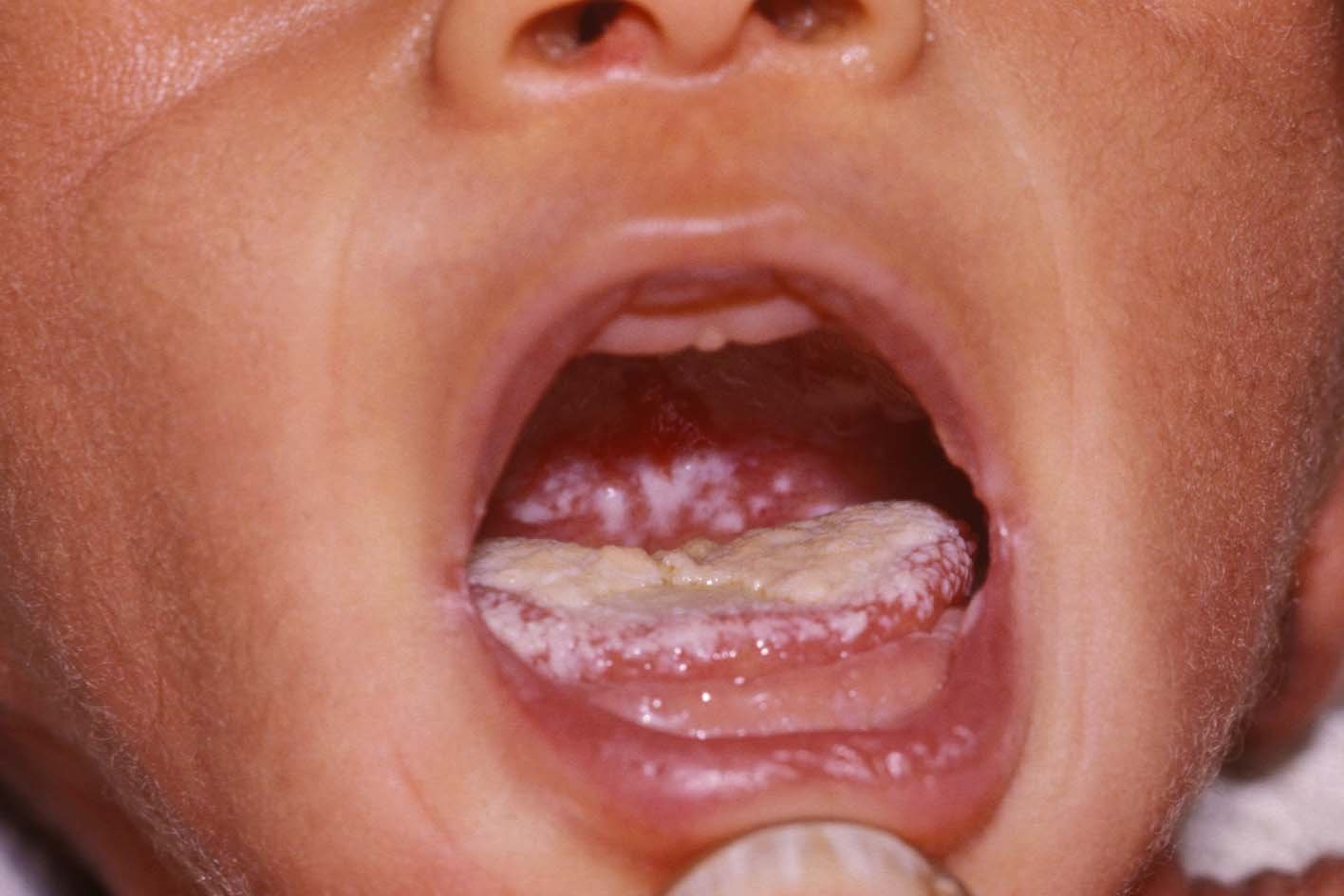
The father of a 6-month-old child has called. He is concerned because his son has developed white patches in his mouth over the last couple of days. The baby has also been more irritable than usual.
Task:
1. Take a history from the father.
2. Address his concerns and provide a likely diagnosis.
3. Discuss the management plan, including treatment and hygiene advice.
Opening Sentence: “Hello, Doctor, I’m calling about my son, Leo. He’s got these white spots in his mouth, and he seems really unhappy.”
Open History (to give freely): “He’s usually such a happy baby, but for the last day or two, he’s been really fussy and crying a lot. When we try to feed him, he pulls away after a minute or two, which isn’t like him at all. I had a look in his mouth, and the inside of his cheeks and his tongue are covered in these white patches.”
Cues to give: “My wife sometimes gets a bit of soreness on her nipples after feeding him.”
ICE (Ideas, Concerns, Expectations):
Ideas: “I have no idea what it could be. Is it some kind of infection?”
Concerns: “I’m worried it’s something serious because it’s affecting his feeding. Is it painful for him?”
Expectation: “I want to know what’s wrong and how we can make him better.”
How to Act: You are a worried first-time father. You sound anxious and are looking for clear answers and reassurance.
More History (only if asked): The white patches look like cottage cheese. If you try to wipe them, they don’t come off easily. He is bottle-fed with formula milk. You are diligent about sterilising bottles. He does not have a rash in his nappy area. He is otherwise well, with no fever, cough, or cold.
Social History: You and your wife live together with Leo, your first child.
Questions to ask:
“Are you sure it’s not serious?”
“How did he get it?”
“Will it come back?”
Opening & Establishing Rapport:
Hello, thank you for calling. I understand you’re worried about your son, Leo. You’ve done the right thing by getting in touch. Can you tell me what’s been happening?
History of Presenting Complaint: You mentioned white patches in his mouth. Can you describe them for me? What do they look like? Where exactly are they? On his tongue, the inside of his cheeks?
When did you first notice them?
Is it making him irritable and not feeding well? How is his feeding different from usual? Is he taking less milk? Is he pulling away from the bottle or breast?
Associated Symptoms (Red Flag Screening):
Apart from the fussiness, does he seem unwell in himself?” “Has he had a fever? Have you checked his temperature? Have you noticed any rashes anywhere else, for example, in his nappy area?
Feeding and Social History: Is Leo breastfed or bottle-fed? (If bottle-fed) How do you clean and sterilise his bottles and teats? (If breastfed) How are things for your wife? Has she had any pain or soreness in her nipples during or after feeds?
Does Leo use a dummy? If so, how is it cleaned?
ICE (Ideas, Concerns, Expectations): What are your own thoughts been about what could be causing this?
What is your biggest worry at the moment?
What were you hoping I could do for you and Leo today?
Explain the situation, the likely diagnosis:
Thank you for calling and explaining that so clearly. It sounds very stressful when your little one isn’t feeding properly. Based on your description of the white patches in Leo’s mouth and his irritability during feeding, it sounds very much like oral thrush. This is a very common and generally harmless fungal infection in babies. It’s not serious, but it can make their mouth sore, which is why he’s likely not feeding well.”
Addressing and answering the patient’s ICE:
You’re right to be concerned when his feeding is affected, but I can reassure you that this is not a serious condition and it is very treatable. It’s caused by a yeast called Candida, which lives harmlessly in our mouths, but sometimes it can overgrow and cause these symptoms, especially in young babies.
Next Steps:
I will prescribe a special antifungal gel (miconazole) for Leo’s mouth. You apply a small amount to the inside of his mouth after feeds, four times a day. It’s important to continue the treatment for 48 hours after the white patches have disappeared to make sure the infection is fully cleared. I will send the prescription to your local pharmacy for you to collect.
Self-help measures:
It’s really important to be extra careful with hygiene to stop the infection from coming back. You should continue to sterilise all of his bottles and any dummies he uses. Make sure you wash your hands thoroughly before and after feeding him and applying the gel.”
You mentioned your wife has some nipple soreness. It’s possible for the thrush to be passed between Leo’s mouth and your wife’s breast if she is breastfeeding. If she is, she should see her GP as she might need some treatment as well to stop you passing it back and forth. If he is exclusively bottle-fed, this is less of a concern.
Reassure the father that the condition is common, not serious, and treatable. Explain what oral thrush is in simple terms.
Prescribe miconazole oral gel (or nystatin suspension). Provide clear instructions on how to use it and for how long. Give detailed hygiene advice.
What is the scenario testing: This case tests the ability to diagnose a common paediatric condition via telephone, provide clear and practical management advice, and reassure an anxious parent. It also assesses the candidate’s ability to consider the wider context (e.g., the mother if breastfeeding) and provide appropriate safety netting.